
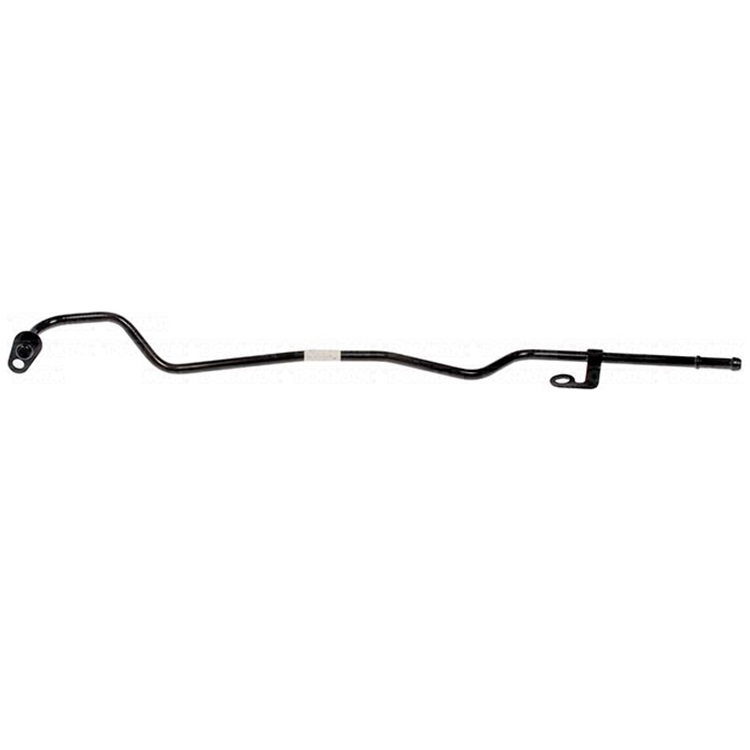
In the ever-evolving automotive industry, the demand for high-quality, durable components is paramount. One such critical component gaining increasing attention is the riser flex pipe, a vital part of automotive exhaust and fluid transfer systems. Recent developments in riser flex pipe technology, combined with the expertise of a leading manufacturer specializing in stainless steel bellows assemblies and metal pipe fittings, are setting new benchmarks in performance, reliability, and system integration. These advances promise to enhance vehicle efficiency and longevity, underscoring the strategic importance of innovation in automotive component manufacturing.
### The Role of Riser Flex Pipes in Automotive Systems
Riser flex pipes serve as flexible connectors within various vehicle systems, particularly in exhaust and fluid conveyance applications. Their primary function is to absorb vibrations, accommodate thermal expansion, and compensate for misalignments between rigid parts. This flexibility helps prevent damage caused by engine vibrations and road-induced movements, enhancing the overall durability of the automotive system.
Traditionally, riser flex pipes have been subject to challenges such as fatigue failure, corrosion, and restricted flexibility, especially under extreme operating conditions. Addressing these issues requires advances in material science, design engineering, and manufacturing processes that focus on optimizing the performance characteristics of these components.
### Manufacturer’s Commitment to Excellence in Stainless Steel Bellows Assemblies
At the forefront of these advancements is a company dedicated to the manufacturing and development of automotive stainless steel bellows assemblies and metal pipe fittings. With a core mission to become a leading manufacturer of stainless steel bellows fittings and assemblies, the company also strives to be a comprehensive system service solution provider for the automotive sector.
The company’s expertise lies in designing bellows assemblies that combine flexibility, strength, and corrosion resistance. Stainless steel, with its excellent mechanical properties and durability, forms the backbone of these assemblies. Through continuous research and development, the company has enhanced the quality and reliability of its products, ensuring they meet the stringent standards required by modern automotive manufacturers.
### Technological Innovations Driving Product Performance
Recent technological improvements have significantly advanced the capabilities of riser flex pipes produced by the company. Key innovations include:
**Enhanced Material Treatments:** By employing advanced stainless steel grades and surface treatment techniques, the company has improved the corrosion resistance and fatigue life of its flex pipes. This ensures sustained performance in harsh environments involving exposure to exhaust gases, road salts, and fluctuating temperatures.
**Optimized Bellows Design:** Utilizing computer-aided engineering (CAE) and finite element analysis (FEA), the design team has refined bellows geometries to maximize flexibility while minimizing stress concentrations. This results in components that can endure repeated cycles of expansion and contraction without compromise.
**Precision Manufacturing Processes:** Automated welding, hydroforming, and quality inspection technologies are integrated into the production line to ensure tight tolerances and consistent product quality. This reduces variability, enhances durability, and shortens lead times.
**System Integration Solutions:** Beyond standalone components, the company offers comprehensive system solutions that include assemblies customized for specific vehicle models and applications. This customer-centric approach facilitates seamless integration within automotive exhaust or fluid transfer systems, improving overall vehicle reliability.
### Impact on Automotive Industry and Sustainability
The improvements in riser flex pipe technology and stainless steel bellows assembly manufacturing directly translate to benefits for vehicle manufacturers and end users. Vehicles equipped with these advanced components can better manage thermal and vibrational stresses, reducing maintenance costs and extending service intervals. Moreover, the use of stainless steel materials aligns with sustainability goals due to their recyclability and long lifespan.
Furthermore, enhanced durability supports stricter emissions control by maintaining exhaust system integrity over time. This is crucial as governments worldwide implement tighter regulations to reduce vehicular pollution. By providing robust and reliable components, the company enables automakers to comply with environmental standards more efficiently.
### Future Outlook
Looking ahead, the company remains committed to innovation and excellence, investing in research to explore new materials, such as corrosion-resistant alloys and lightweight composites. Development of smart sensor-integrated bellows assemblies is also on the horizon, potentially enabling real-time monitoring of flex pipe health and predictive maintenance.
As the automotive industry continues to shift toward electrification and hybrid technologies, the role of high-performance stainless steel components will evolve but remain vital, especially in hydraulic and cooling systems. The manufacturer’s expertise and comprehensive system service offerings position it well to meet these emerging needs.
### Conclusion
The continuous evolution of riser flex pipe technology, backed by the expertise of a dedicated stainless steel bellows assembly and metal pipe fitting manufacturer, exemplifies the dynamic progress in automotive component engineering. Through innovation, quality manufacturing, and customer-oriented system solutions, this company is driving the future of durable, reliable, and efficient automotive systems. Their contributions not only enhance vehicle performance but also support broader industry goals of sustainability and regulatory compliance, marking a significant step forward in automotive manufacturing excellence.